
We work on more than 300 projects every year.
Mapping of Technology Infrastructures supporting Clean and Renewable Energy Industries in Europe
This project leverages web scraping and AI-driven analytics to identify and map technology infrastructures across the EU. By analyzing technology centres’ websites, the study extracts key insights into their activities, infrastructure types, and involvement in Clean and Renewable Energy Industries (CREI). The study was published by the European Union.
The challenge
This study aims to map and analyze technology centres across the 27 EU Member States that provide advanced technology infrastructures supporting Clean and Renewable Energy Industries (CREI). These infrastructure, such as testbeds, pilot lines, and cleanrooms, are essential for validating new technologies, accelerating commercialization, and fostering innovation in sectors like solar photovoltaics, wind energy, batteries, electrolysers, and more.
Approach & results
Using a data-driven approach and web scraping methodology, the study team identified nearly 1,400 technology centres and analyzed their online presence to determine the types and number of technology infrastructures they host. Advanced data analytics, including through use of LLMs, were used to detect infrastructure across web pages while avoiding double-counting. Additionally, technology centres were categorized based on their involvement in CREI sectors and mapped at the regional (NUTS-2) level using geolocation tools like Google Places API.
This mapping effort provides a valuable overview of the availability and distribution of technology infrastructures in the EU, helping policymakers identify gaps and assess the technological capacity of different regions. By comparing the locations of technology centres with the broader ecosystem of approximately 16,000 CREI companies, the study offers insights into regional strengths and potential areas for improvement.
The results demonstrate the feasibility of using automated data collection and AI-enhanced analytics to track industrial research and innovation activities. The methodology developed in this study can be extended to other industries, contributing to the European Green Deal’s goals and the broader green transition.
The team on this project
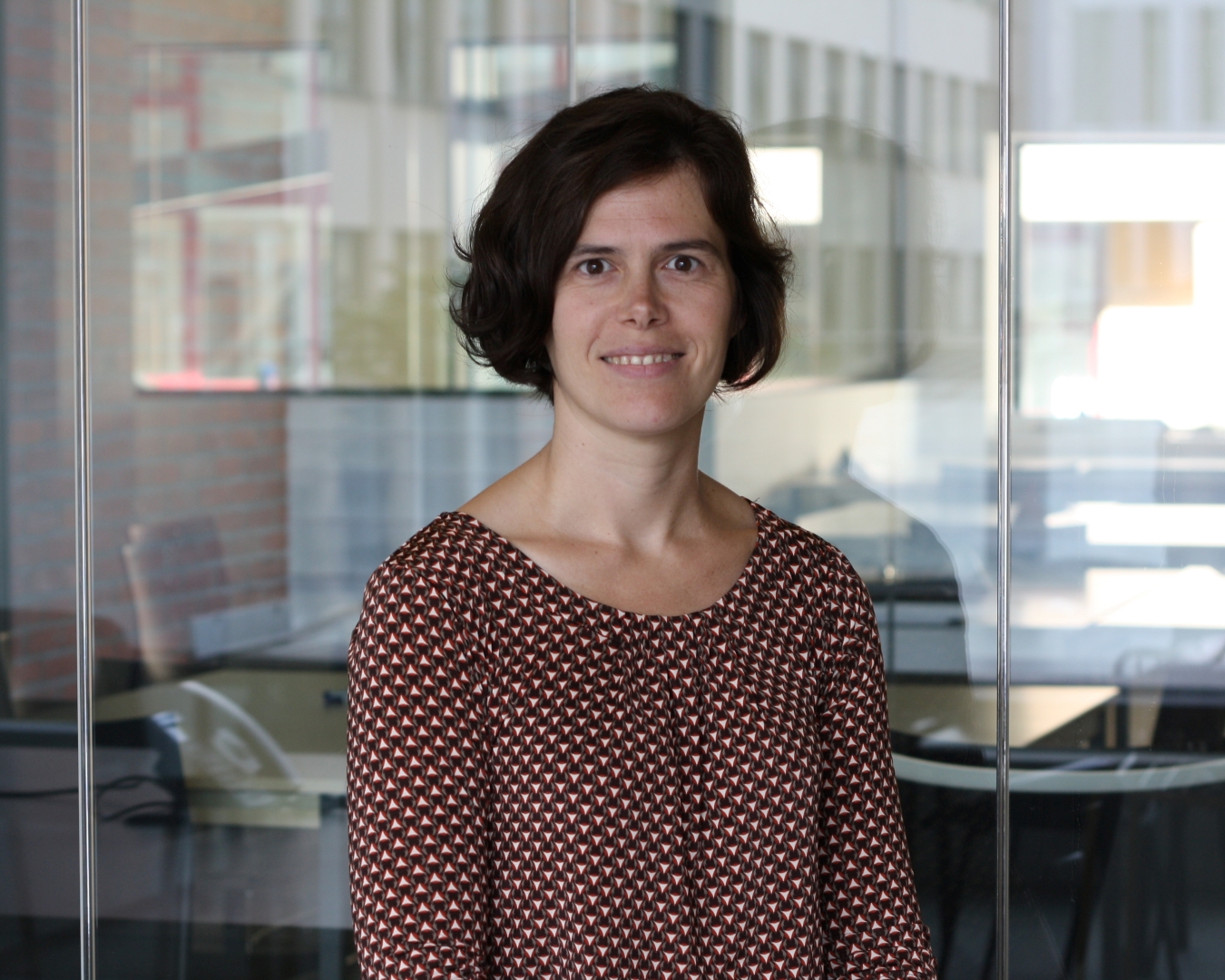
Els Van de Velde
Senior Expert Innovation & Competitiveness
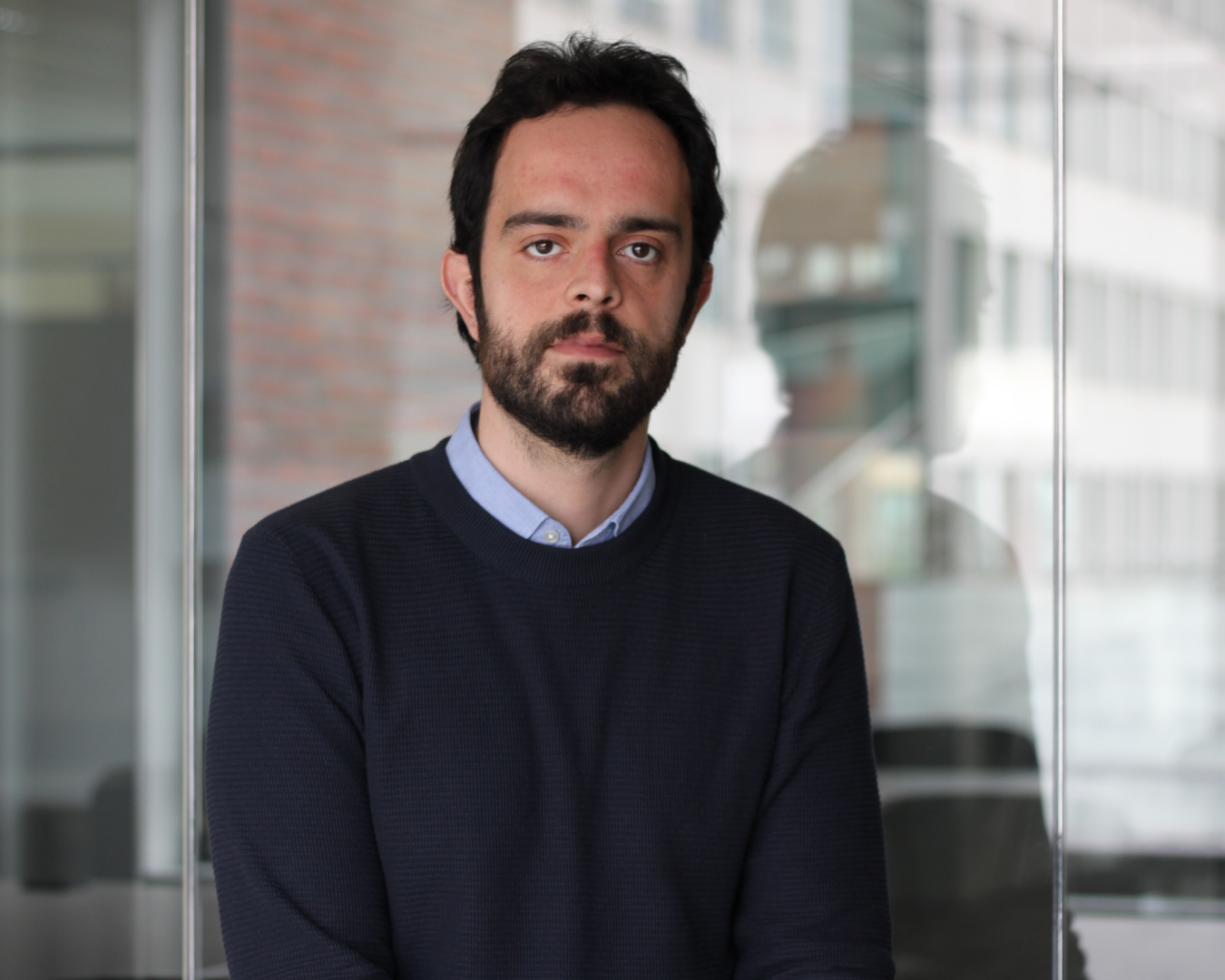
Nazareno Braito
Senior Consultant Innovation, Competitiveness & Sustainability
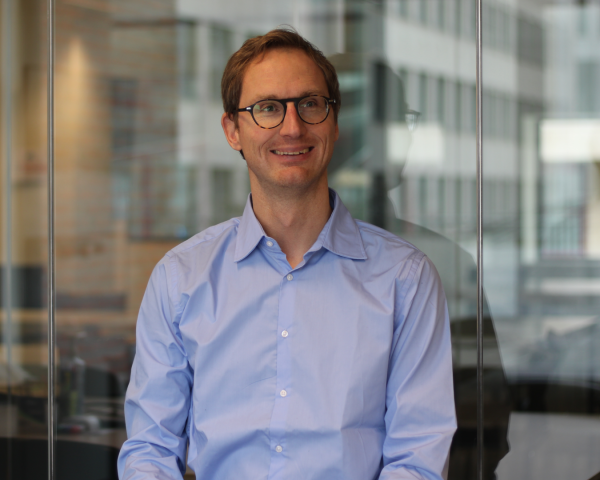
Vincent van Roy
AI expert

Eduardo Salvador
Digital expert

Quentin Carbonelle
Data scientist